advertisement
7 September 2026
Can dogs and cats really live happily under the same roof? Despite what cartoons have taught us, absolutely! Plenty of dogs form wonderful relationships with cats, and some may even end up becoming their favorite napping buddies. That said, breed tendencies can make a difference. Dogs with gentle temperaments, lower prey drives, and easygoing personalities may have an easier time adjusting to feline roommates. Of course, every dog is an individual, so breed alone can never guarantee a perfect match. If you’re hoping to create a peaceful multi-pet household, here are some dog breeds commonly known for getting along well with cats.
advertisement
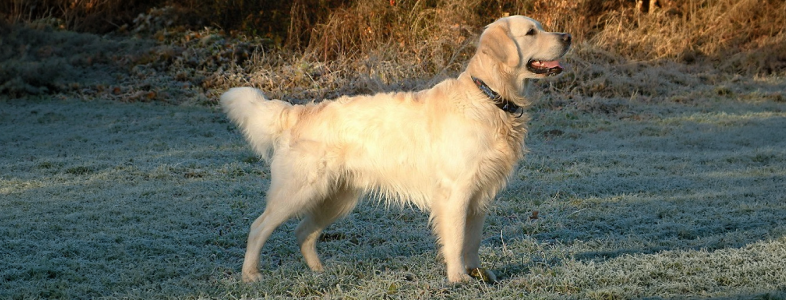
It’s difficult to talk about friendly dogs without mentioning the Golden Retriever. Goldens are typically affectionate, patient, social, and eager to please, qualities that can make them excellent companions for cats. Their trainability is another advantage. A Golden can usually learn boundaries such as leaving the cat’s food alone or giving their feline sibling some space when asked. Goldens can be enthusiastic, however, so young dogs may need help learning that their new cat friend doesn’t necessarily appreciate being invited to wrestle.
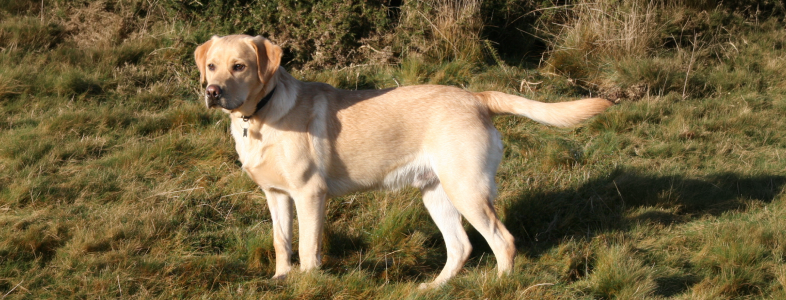
Labrador Retrievers are famous for their outgoing personalities, and that friendliness often extends beyond humans. Well-socialized Labs can live happily with cats, especially when introduced at a young age. They’re generally trainable and adaptable, making it easier to establish household rules. Like Goldens, young Labs can be energetic. Supervision is important until your dog learns to respect the cat’s personal space.

Sweet, affectionate, and generally easygoing, the Cavalier King Charles Spaniel can be a wonderful choice for a home with cats. Cavaliers tend to enjoy companionship and often prefer cuddling to confrontation. Their relatively small size can also make them less physically intimidating to a cat than a large, exuberant dog.

Basset Hounds may be hunting dogs by heritage, but they’re generally known for their relaxed and tolerant personalities at home. Their famously laid-back attitude can work well with cats, particularly cats that prefer a canine roommate who isn’t constantly demanding their attention. A Basset may be perfectly content to let the cat rule the household while they focus on more pressing matters, such as finding the nearest comfortable place to nap.
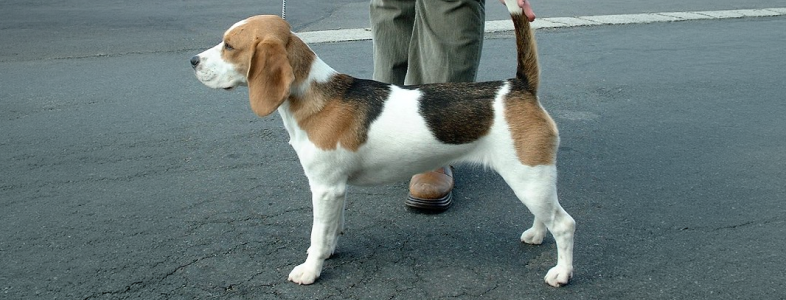
Beagles were traditionally bred to work alongside other dogs, so many have naturally social personalities. With proper introductions and training, that sociability can extend to cats. However, Beagles also have strong hunting and scenting instincts. Individual temperament matters considerably, and interactions should be carefully supervised when introducing a Beagle to a cat.
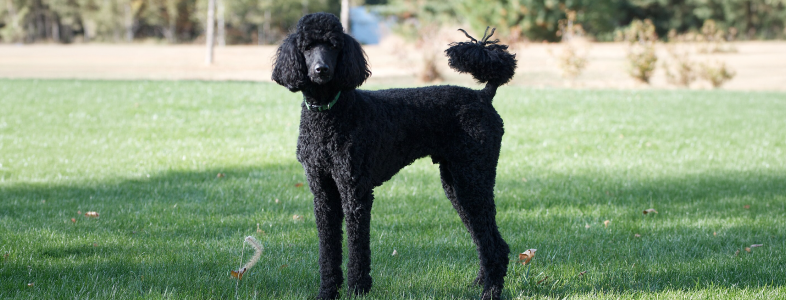
Whether Standard, Miniature, or Toy, Poodles are intelligent and highly trainable dogs that can adapt well to multi-pet households. Their intelligence makes it easier to teach boundaries and redirect unwanted behaviors. A properly socialized Poodle can learn that the cat is a family member rather than something to chase. Individual energy levels and prey drive still vary, so introductions should always be gradual.

The tiny Maltese often makes a comfortable feline companion because of its small size and affectionate nature. Many Maltese are more interested in being near their humans than chasing other animals around the house. Because they’re similar in size to many cats, feline residents may also find them less intimidating than larger breeds.
advertisement
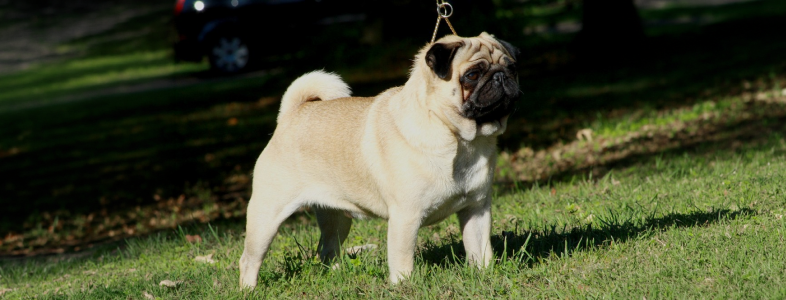
Pugs generally love company, whether it comes from humans or other pets. Their playful but affectionate personalities can make them good candidates for living with cats. They’re also not typically known for requiring enormous amounts of exercise, so a Pug may be perfectly happy sharing the couch with a feline friend.
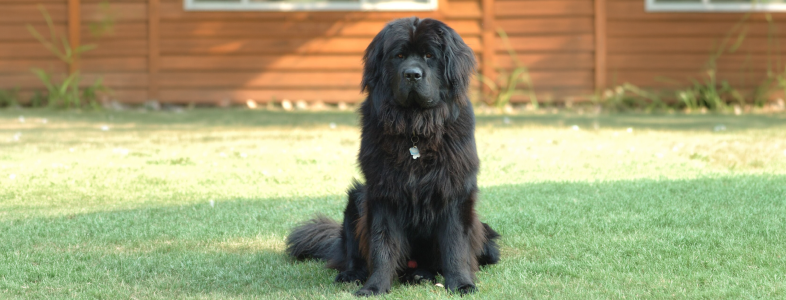
A Newfoundland may absolutely dwarf the average house cat, but these giant dogs are famous for their gentle temperaments. Newfoundlands tend to be patient, calm, and affectionate. When properly socialized, many can live peacefully with smaller animals. Their enormous size still requires caution. Even a friendly Newfie could accidentally knock over or injure a cat during enthusiastic play, so interactions should be supervised, particularly in the beginning.

Don’t let those impressive ears fool you. The little Papillon is an intelligent, adaptable dog that can fit surprisingly well into a household with cats. Papillons tend to be playful and energetic, and some cats may even enjoy interacting with them. Their trainability also makes establishing household boundaries easier.
Choosing a traditionally cat-friendly breed can improve your odds, but it doesn’t guarantee success. A dog’s individual personality and history are often more important than the name of the breed on their paperwork. A dog that has successfully lived with cats before may be a better candidate than a supposedly cat-friendly breed that has an intense tendency to chase small animals.
When adopting an adult dog, ask the shelter or rescue organization whether the dog:
Some dogs were historically bred to chase, hunt, or pursue small animals. That doesn’t mean every member of those breeds can’t live with cats, but introductions may require extra caution. Signs that deserve attention include intense staring, stalking, lunging, uncontrollable chasing, or becoming so focused on the cat that the dog won’t respond to you. If you’re concerned about your dog’s behavior around a cat, consult a qualified trainer or veterinary behavior professional rather than forcing the animals to interact.
Even the world’s most cat-friendly dog shouldn’t simply be turned loose with a new feline roommate on day one. Slow introductions give both animals time to adjust.
Some dogs and cats will eventually sleep curled up together. Others may simply learn to coexist peacefully while mostly ignoring each other. Both outcomes can represent a successful introduction.
If you’re choosing a dog specifically for a household that already has a cat, consider your cat’s personality too. A confident cat accustomed to dogs may adapt quickly. A shy senior cat that has never encountered a dog may find an energetic puppy overwhelming, even if that puppy belongs to a typically cat-friendly breed. Sometimes the best match isn’t simply a “cat-friendly dog.” It’s a dog whose age, size, energy level, and personality complement those of your particular cat.
advertisement
Golden Retrievers, Labrador Retrievers, Cavalier King Charles Spaniels, Basset Hounds, Poodles, Maltese, Pugs, Newfoundlands, and several other breeds have characteristics that can make them excellent companions for cats. But breed is only part of the equation. Individual temperament, previous experiences, training, prey drive, and careful introductions are ultimately much better predictors of whether a particular dog and cat will live happily together. Take your time, give both animals their own space, reward calm interactions, and don’t insist that they become instant friends. With the right match and a little patience, the supposed rivalry between cats and dogs can turn into peaceful coexistence, playful companionship, or even one seriously adorable friendship.
advertisement